
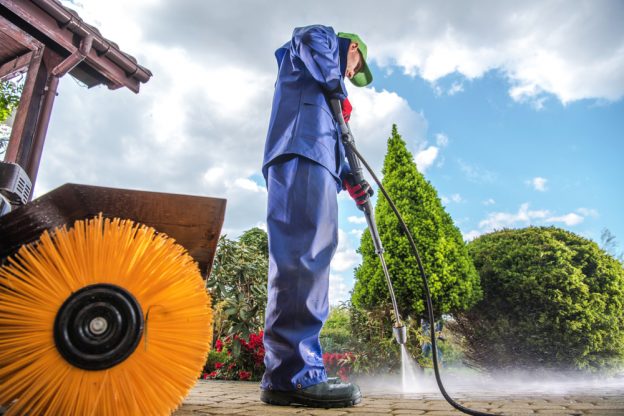
How to Maintain Your Pressure Washer for Long-Term Use
By Neatstore – Your Trusted Cleaning Equipment Supplier
Whether you own an industrial pressure washer for heavy-duty cleaning or a smaller unit for personal use, proper maintenance is the key to ensuring long-term efficiency, safety, and reliability. At Neatstore, one of the leading cleaning equipment suppliers, we’ve seen how neglect or lack of regular maintenance can drastically reduce the lifespan of even the highest-quality pressure washers.
This guide will walk you through everything you need to know about pressure washer maintenance—from daily practices to seasonal care—so your machine continues delivering optimal performance for years to come.
🔧 Why Pressure Washer Maintenance Matters
Just like any powerful tool, a pressure washer comprises various components—pump, engine/motor, hoses, nozzles, filters—that endure wear and tear. Over time, dirt, debris, and improper usage can lead to:
-
Loss of pressure
-
Inconsistent spray patterns
-
Engine overheating
-
Pump failure
-
Premature wear of seals and O-rings
Routine maintenance helps prevent costly repairs, ensures user safety, and maximizes cleaning efficiency—especially for businesses relying on industrial pressure washers daily.
Daily and Pre-Use Maintenance Checklist
Even the simplest steps can have a massive impact on your machine’s longevity.
✅ 1. Inspect Hoses and Connections
Before each use:
-
Check hoses for cracks, leaks, or weak spots.
-
Ensure all connections are tight and properly sealed.
-
Look for kinks or twists that could affect water flow.
✅ 2. Clean the Nozzle Tips
Nozzles can become clogged with dirt or mineral deposits. Use a nozzle cleaning tool or a small piece of wire to clear any blockages and rinse with water.
✅ 3. Check Oil Levels
For gas-powered models, check both engine and pump oil levels:
-
Engine oil: Use the dipstick to ensure it’s full and clean.
-
Pump oil (for models with oil reservoirs): Should appear translucent, not milky or dark.
Replace immediately if oil looks contaminated.
✅ 4. Inspect the Water Inlet Filter
The inlet filter prevents debris from entering the pump. Remove and rinse it thoroughly before starting the machine.
🧼 Weekly and Monthly Maintenance Tasks
🔄 1. Flush the System
Every week (or more frequently for industrial pressure washers), run clean water through the system without detergent:
-
Disconnect the detergent line.
-
Connect the machine to a clean water source.
-
Let it run for 1–2 minutes to flush out residue.
🔄 2. Lubricate O-Rings and Seals
O-rings in the hose connectors, wand, and spray gun dry out or crack over time. Apply a silicone-based lubricant monthly to prolong their lifespan and prevent leaks.
🔄 3. Clean the Detergent System
If your washer uses soap:
-
Rinse the detergent tank thoroughly.
-
Run water through the detergent injector line to prevent clogging.
-
Remove any buildup or hardened detergent residue.
🛠️ Seasonal and Long-Term Maintenance
❄️ Winterizing Your Pressure Washer
If you live in a region with freezing temperatures, winterizing is crucial to avoid pump and line damage.
Steps:
-
Drain All Water: Disconnect hoses and allow all water to drain from the machine.
-
Use Pump Saver Antifreeze: Run a pump saver solution through the system to prevent internal freezing and corrosion.
-
Store in a Dry Place: Keep the machine in a garage or shed protected from the elements.
Tip: Even industrial pressure washers used daily in winter months need overnight protection.
☀️ Post-Winter Startup
Before the first spring use:
-
Inspect the pump and hoses for cracks or damage.
-
Change oil if stored for several months.
-
Clean the air filter.
-
Test the spray pattern to ensure even pressure.
🛠️ Pressure Washer Engine Maintenance (Gas Models)
For gas-powered units, engine care is essential.
🔧 1. Oil Changes
-
First oil change after 5 hours of use.
-
Then every 50–100 hours (or every season).
Use high-quality SAE 10W-30 oil or as specified in the user manual.
🔧 2. Replace Air Filter
Dust and debris can clog the air filter, reducing performance.
-
Clean monthly.
-
Replace every 3–6 months, depending on usage.
🔧 3. Check Spark Plug
Remove and inspect for carbon buildup or wear. Clean or replace annually.
⚙️ Electric Pressure Washer Care
Electric units require less engine maintenance but still benefit from:
-
Checking the power cord for frays or cuts.
-
Ensuring the Ground Fault Circuit Interrupter (GFCI) is functioning.
-
Keeping the motor vents free from dust buildup.
💡 Pro Tips for Long-Term Use
🧽 1. Use Clean Water
Hard water with high mineral content can corrode internal parts. Use a filter or softened water when possible, especially with industrial pressure washers used frequently.
🧴 2. Choose the Right Detergents
Use only pressure washer-approved cleaners. Harsh chemicals can erode seals and hoses.
Neatstore offers eco-friendly detergents compatible with most commercial and home-use models.
🧰 3. Don’t Run the Pump Dry
Always ensure the water is running before turning the machine on. Running dry can cause severe pump damage in seconds.
⏱️ 4. Don’t Leave It Running Idle
If you’re not spraying water for more than 30 seconds, turn off the machine. Excessive idle pressure can overheat and damage the pump.
🔍 When to Service Your Pressure Washer Professionally
Even with good care, there are times when your machine needs expert servicing:
-
Inconsistent pressure despite clean nozzles
-
Excessive vibration or noise
-
Oil or water leaks
-
Poor engine performance or starting issues
Neatstore’s service team is certified to repair and maintain all major brands of industrial pressure washers. We also supply OEM parts, oils, and accessories.
🛒 Trusted Cleaning Equipment Supplier – Why Choose Neatstore?
As one of the top-rated cleaning equipment suppliers, Neatstore not only provides top-of-the-line machines but also offers:
-
Expert support on choosing and maintaining equipment
-
Scheduled maintenance and repair services
-
High-quality detergents and accessories
-
Industrial-grade pressure washers for commercial needs
We’re here to help you keep your pressure washer running like new—year after year.
📌 Final Thoughts
A well-maintained pressure washer can last 7–10 years—or even longer. Whether you’re using it occasionally for your patio or daily as part of an industrial cleaning operation, following the tips outlined above will help you protect your investment, avoid unnecessary downtime, and keep cleaning jobs efficient and professional.
For more support, maintenance kits, and accessories, visit Neatstore’s website—your trusted cleaning equipment supplier and partner in performance.
Ready to upgrade or maintain your machine? Contact Neatstore today for expert advice and high-quality pressure washing solutions.