
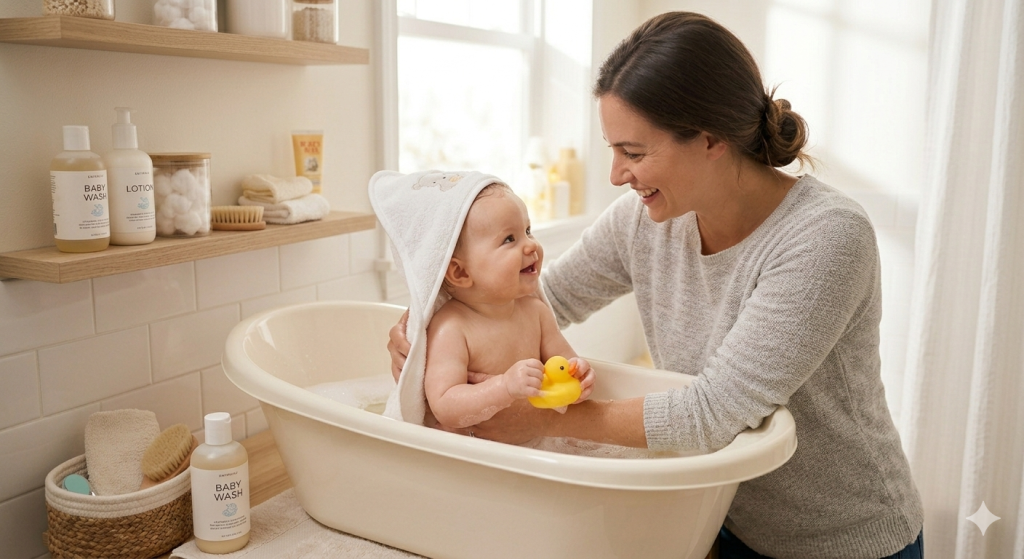
Welcoming a baby into your home comes with joy, excitement, and a lot of responsibility. One of the most important responsibilities is maintaining proper hygiene. Good hygiene habits not only keep your baby clean and comfortable but also protect them from infections, skin irritations, and other health concerns. Because babies have delicate and sensitive skin, they require gentle care and special attention.
In this detailed guide, you’ll learn everything you need to know about proper bathing, cleaning, and grooming to keep your baby healthy and happy.
Proper Bathing Tips for Babies
Bath time can be one of the most enjoyable bonding moments between parents and their baby. However, it is important to approach it with care and the right techniques.
How Often Should You Bathe Your Baby?
Newborns do not need daily baths. In fact, bathing your baby two to three times a week is usually enough during the first few months. Over-bathing can strip natural oils from your baby’s skin, causing dryness and irritation. On non-bath days, you can clean your baby with a warm, damp washcloth.
Once your baby starts crawling and becoming more active, you may increase bath frequency as needed.
Preparing for Bath Time
Before starting, ensure everything you need is within reach:
-
Mild, fragrance-free baby soap
-
Soft washcloth
-
Baby towel
-
Clean diaper
-
Fresh clothes
Always test the water temperature with your wrist or elbow. The water should be warm, not hot—around lukewarm temperature. Never leave your baby unattended in the bath, even for a second.
Step-by-Step Bathing Guide
-
Gently undress your baby and wrap them in a towel.
-
Clean the face first using plain warm water (avoid soap on the face).
-
Wash the scalp with a small amount of baby shampoo and rinse carefully.
-
Clean the body from top to bottom, paying special attention to skin folds (neck, underarms, thighs).
-
Rinse thoroughly to remove all soap residue.
-
Pat dry gently with a soft towel—avoid rubbing.
After bathing, apply a mild baby moisturizer if your baby’s skin is dry.
Proper Cleaning Practices for Daily Baby Hygiene
Bathing alone is not enough. Daily cleaning routines are essential to keep your baby fresh and prevent infections.
Diaper Area Care
The diaper area requires special attention because moisture and warmth can cause rashes.
-
Change diapers frequently.
-
Clean the area gently with baby wipes or cotton wool and warm water.
-
Always wipe from front to back (especially for baby girls).
-
Allow the skin to air dry before putting on a new diaper.
-
Apply diaper rash cream if needed.
Keeping the diaper area clean and dry is one of the most effective ways to prevent diaper rash.
Cleaning the Eyes, Nose, and Ears
-
Eyes: Use a soft cotton pad dipped in warm water. Wipe gently from the inner corner outward. Use a separate pad for each eye.
-
Nose: If mucus builds up, use saline drops and a bulb syringe to gently clear nasal passages.
-
Ears: Clean only the outer ear with a soft cloth. Never insert cotton buds into your baby’s ear canal.
Oral Hygiene for Babies
Even before teeth appear, oral hygiene is important. Use a soft, damp cloth to wipe your baby’s gums after feeding. Once the first tooth appears, use a small, soft-bristled baby toothbrush with a tiny smear of fluoride toothpaste (as recommended by your healthcare provider).
Safe Grooming Tips for Babies
Grooming goes beyond cleaning—it includes trimming nails, caring for hair, and maintaining overall neatness.
Trimming Baby’s Nails
Babies’ nails grow quickly and can be sharp, leading to accidental scratches.
-
Use baby nail clippers or baby nail scissors.
-
Trim nails while your baby is sleeping or calm.
-
Cut straight across and avoid cutting too close to the skin.
If you accidentally nick the skin, apply gentle pressure with a clean cloth.
Hair Care
Wash your baby’s hair 1–2 times per week using a mild baby shampoo. For babies with cradle cap (dry, flaky patches on the scalp), gently massage the scalp with baby oil before washing and use a soft brush to loosen flakes.
Avoid using adult hair products on babies, as these may irritate sensitive skin.
Skin Care and Moisturizing
Baby skin is delicate and prone to dryness. Choose fragrance-free, hypoallergenic lotions. Apply moisturizer immediately after bathing to lock in moisture.
Dress your baby in soft, breathable fabrics like cotton to prevent skin irritation. Always wash new clothes before your baby wears them using mild detergent.
Extra Baby Hygiene Tips for Parents
-
Wash your hands before handling your baby.
-
Keep your baby’s toys clean by washing them regularly.
-
Sterilize feeding bottles and pacifiers properly.
-
Keep your baby’s environment clean and dust-free.
-
Avoid exposing your baby to people with infections.
Good hygiene habits established early in life help protect your baby’s developing immune system.
Conclusion
Baby hygiene is not just about keeping your little one clean—it’s about protecting their health, comfort, and well-being. Proper bathing, daily cleaning, and safe grooming practices play a major role in preventing infections, rashes, and skin irritation.
By following gentle and consistent hygiene routines, you create a safe and nurturing environment for your baby to grow and thrive. Remember, every baby is unique, so always observe your baby’s skin and overall condition. When in doubt, consult your pediatrician for guidance.
Maintaining good hygiene may seem overwhelming at first, but with time, it becomes a natural and rewarding part of parenting.