
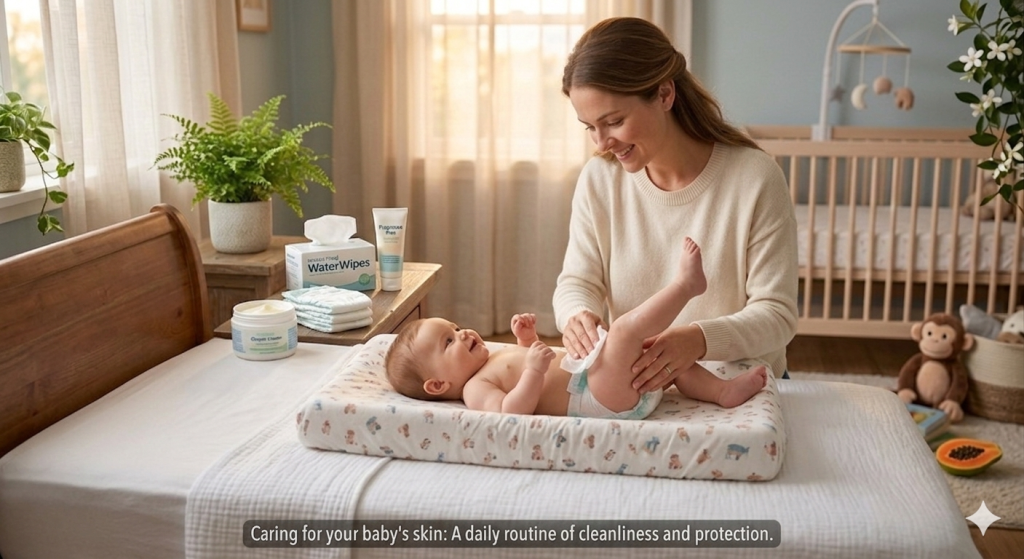
When it comes to baby care, nothing is more important than protecting your baby’s delicate skin. A baby’s skin is thinner, more sensitive, and more prone to irritation than adult skin. Since diapers are worn almost 24 hours a day, choosing the right one plays a major role in maintaining healthy skin. Understanding how diapers affect skin health—and how to prevent rashes and irritation—can save your baby discomfort and you unnecessary stress.
In this detailed guide, we will explore how baby diapers impact skin health, the common causes of diaper rash, prevention strategies, and why anti-rash baby diapers are essential for modern parents.
Understanding Baby Skin and Why It Is Sensitive
A newborn’s skin is about 20–30% thinner than adult skin. This means:
-
It loses moisture faster
-
It absorbs irritants more easily
-
It reacts quickly to friction and chemicals
The diaper area is particularly vulnerable because it is:
-
Frequently exposed to moisture
-
In contact with urine and stool
-
Subject to friction
-
Often covered for long hours
When moisture, heat, and bacteria combine, they create the perfect environment for irritation. That is why choosing high-quality, breathable, and anti-rash baby diapers is critical for skin protection.
What Causes Diaper Rashes?
Diaper rash is one of the most common skin issues in infants. While it is usually mild, it can become severe if not addressed properly.
1. Prolonged Wetness
When a diaper stays wet for too long, the skin softens and breaks down. This makes it easier for irritants to penetrate the skin barrier.
2. Friction
Tight diapers or rough materials can rub against the skin, causing redness and irritation.
3. Chemical Sensitivity
Some babies react to fragrances, dyes, or chemicals used in low-quality diapers.
4. Infrequent Diaper Changes
Leaving a diaper on for extended periods increases exposure to bacteria and ammonia from urine.
5. Yeast or Bacterial Infection
Sometimes diaper rash becomes more severe due to fungal infections, especially if the rash lasts more than a few days.
Using anti-rash baby diapers significantly reduces the risk of these issues by improving dryness, breathability, and comfort.
The Role of Baby Diapers in Skin Health
Modern diapers are designed with advanced technology to protect baby skin. However, not all diapers are created equal.
Here’s how the right diaper supports skin health:
1. Moisture Absorption
High-quality diapers contain super-absorbent cores that lock away wetness quickly. The faster moisture is absorbed, the lower the risk of skin irritation.
2. Breathability
Air circulation reduces heat buildup inside the diaper. Breathable anti-rash baby diapers help prevent sweat and humidity.
3. Soft Inner Lining
A soft, cotton-like lining reduces friction and keeps the skin comfortable.
4. Hypoallergenic Materials
Diapers free from harsh chemicals, perfumes, and dyes reduce allergic reactions.
How Anti-Rash Baby Diapers Work
Anti-rash baby diapers are specially designed to protect delicate skin. Here’s what makes them different:
Advanced Absorption Layers
They absorb liquid quickly and evenly, preventing wet patches that cause irritation.
Leak Guards
Leak protection keeps urine and stool from spreading across the skin.
Skin-Friendly Materials
They are often dermatologically tested and free from harsh additives.
Wetness Indicators
Many anti-rash baby diapers include a wetness indicator line to help parents know when to change the diaper promptly.
These features work together to minimize contact between moisture and skin, reducing rash risk.
Signs Your Baby May Be Developing a Diaper Rash
Early detection is important. Watch for:
-
Red or pink patches in the diaper area
-
Slight swelling
-
Warm skin in the diaper region
-
Baby appearing uncomfortable during diaper changes
-
Small bumps or peeling skin
If caught early, diaper rash can be treated quickly with proper hygiene and high-quality anti-rash baby diapers.
Practical Tips to Prevent Diaper Rashes
Prevention is always better than treatment. Here are expert-backed strategies:
1. Change Diapers Frequently
Newborns may need diaper changes every 2–3 hours. Even highly absorbent diapers should not replace regular checks.
2. Clean Gently
Use mild wipes or warm water with soft cotton. Avoid alcohol-based wipes that can dry the skin.
3. Allow Air Time
Let your baby go diaper-free for a few minutes daily. Air helps dry and heal the skin naturally.
4. Apply Protective Cream
A thin layer of diaper rash cream or petroleum jelly can create a barrier against moisture.
5. Choose the Right Size
A diaper that is too tight increases friction. Ensure it fits snugly but not tightly.
6. Use Anti-Rash Baby Diapers
This is one of the most effective prevention methods. Their breathable design and strong absorption reduce moisture exposure significantly.
Choosing the Best Anti-Rash Baby Diapers
When shopping for baby diapers, consider the following factors:
1. Absorption Capacity
Look for diapers that promise long-lasting dryness, especially for nighttime use.
2. Breathability
Check if the diaper mentions airflow technology or breathable back sheets.
3. Hypoallergenic Certification
Dermatologically tested diapers are safer for sensitive skin.
4. Stretch and Comfort
Flexible waistbands and leg cuffs reduce friction and pressure marks.
5. No Harsh Chemicals
Avoid diapers with strong fragrances or chlorine bleaching.
Investing in quality anti-rash baby diapers may cost slightly more upfront, but it saves money on rash treatments and doctor visits in the long run.
Nighttime Diapering and Skin Protection
Nighttime is particularly challenging because babies sleep for longer hours without diaper changes. If moisture sits on the skin overnight, rashes can develop quickly.
To prevent this:
-
Use high-absorbency anti-rash baby diapers
-
Apply a protective barrier cream before bedtime
-
Choose diapers designed specifically for overnight use
A well-designed diaper keeps the baby dry for up to 10–12 hours while protecting the skin barrier.
When to See a Doctor
Most diaper rashes improve within 2–3 days with proper care. However, seek medical advice if:
-
The rash spreads beyond the diaper area
-
You notice blisters or pus
-
The rash does not improve after several days
-
Your baby develops a fever
Persistent rashes may require antifungal or medicated creams prescribed by a pediatrician.
The Long-Term Benefits of Proper Diaper Care
Maintaining good diaper hygiene and choosing anti-rash baby diapers contributes to:
-
Healthier skin development
-
Fewer infections
-
Better sleep for baby
-
Reduced crying and discomfort
-
Less stress for parents
Healthy skin also builds a strong protective barrier against environmental irritants.
Common Myths About Diaper Rash
Myth 1: All Babies Must Get Diaper Rash
False. With proper care and anti-rash baby diapers, many babies never experience severe rash.
Myth 2: Cloth Diapers Always Prevent Rash
Not necessarily. If not changed frequently, cloth diapers can also cause irritation.
Myth 3: Powder Is the Best Prevention
Baby powder is not always recommended due to inhalation risks. Moisture control and quality diapers are more effective.
Final Thoughts
Your baby’s skin deserves the best care possible. Since diapers are in constant contact with delicate skin, they play a vital role in preventing irritation and rashes. Moisture, friction, and harsh chemicals are the main triggers of diaper rash, but they can be controlled with proper hygiene and the right diaper choice.
High-quality anti-rash baby diapers are specifically engineered to protect baby skin through superior absorption, breathability, and softness. When combined with frequent changes, gentle cleaning, and occasional air time, they create a strong defense against diaper rash.
Investing in the right diaper is not just about convenience—it is about your baby’s comfort, health, and happiness. By understanding the relationship between baby diapers and skin health, parents can confidently prevent rashes and keep their little ones smiling every day.